
Quick answer
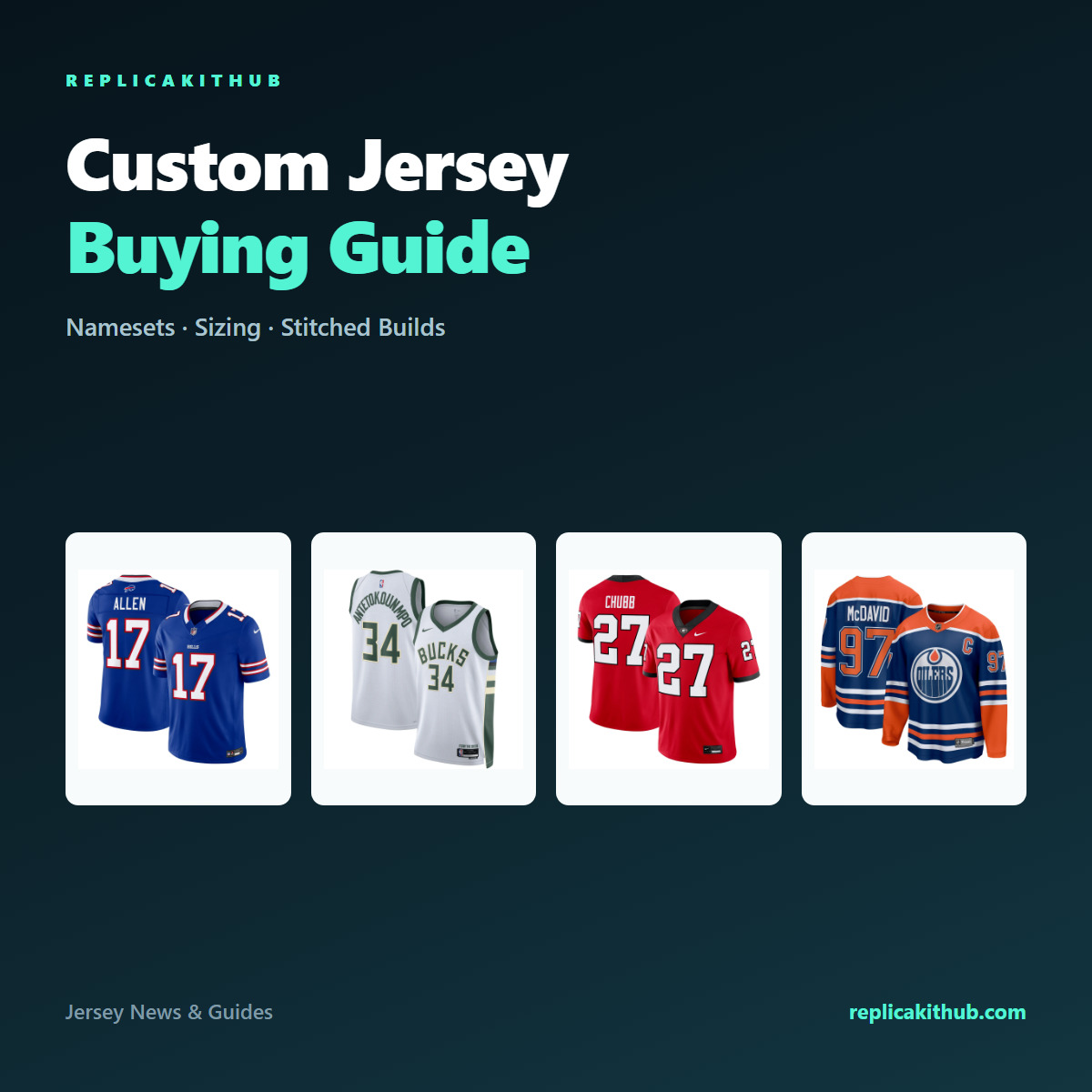
A custom jersey is a team template with your own name and number built into it. Here the lettering is cut from multi-layer tackle twill and stitched, names run to 12 characters, numbers run 00 to 99, builds start at $37.70, and the workshop needs 3 to 5 working days. Lock the size first — a personalised shirt cannot be handed to anybody else.
Key takeaways
- Personalisation is added to a template you choose, so the league, design and colourway are settled before the name goes on.
- The name field takes up to 12 characters and the number field takes 00 through 99. Short names read better across the shoulders.
- Stitched multi-layer twill is the build that keeps its edge, its spacing and its shape for years — and the one that resists a hot dryer best.
- Whatever goes on the back is permanent. There is no clean way to lift a stitched nameset, so the size decision matters more here than anywhere else.
- Work backwards from game day: 3 to 5 working days in the workshop plus transit, and order two weeks out for a fixed date.
How does custom jersey personalization actually work?
It is a three-step process and only one of the steps involves you. The template is a finished game shirt from a team collection. Personalisation adds a nameset on top: your surname, a nickname, or a word you want to wear, plus the digits that go with it.
- Pick the jersey and the size. Any custom-eligible template works: pro football, college gridiron, basketball, baseball, hockey or soccer. Decide the size now, because it cannot change once the nameset is stitched on.
- Send the custom details. After checkout, reply to your order confirmation email or write to jerseyhelp@outlook.com with your Order ID, the name you want (up to 12 characters) and the number you want (00 to 99).
- Let the workshop build it. Multi-layer tackle twill is cut to shape, the spelling is validated a second time, each layer is stitched with reinforced thread, and the shirt ships with end-to-end postal tracking.
Between them, the custom jersey page and the size guide cover every field the workshop needs from you.
What can you put on the back of a custom jersey?
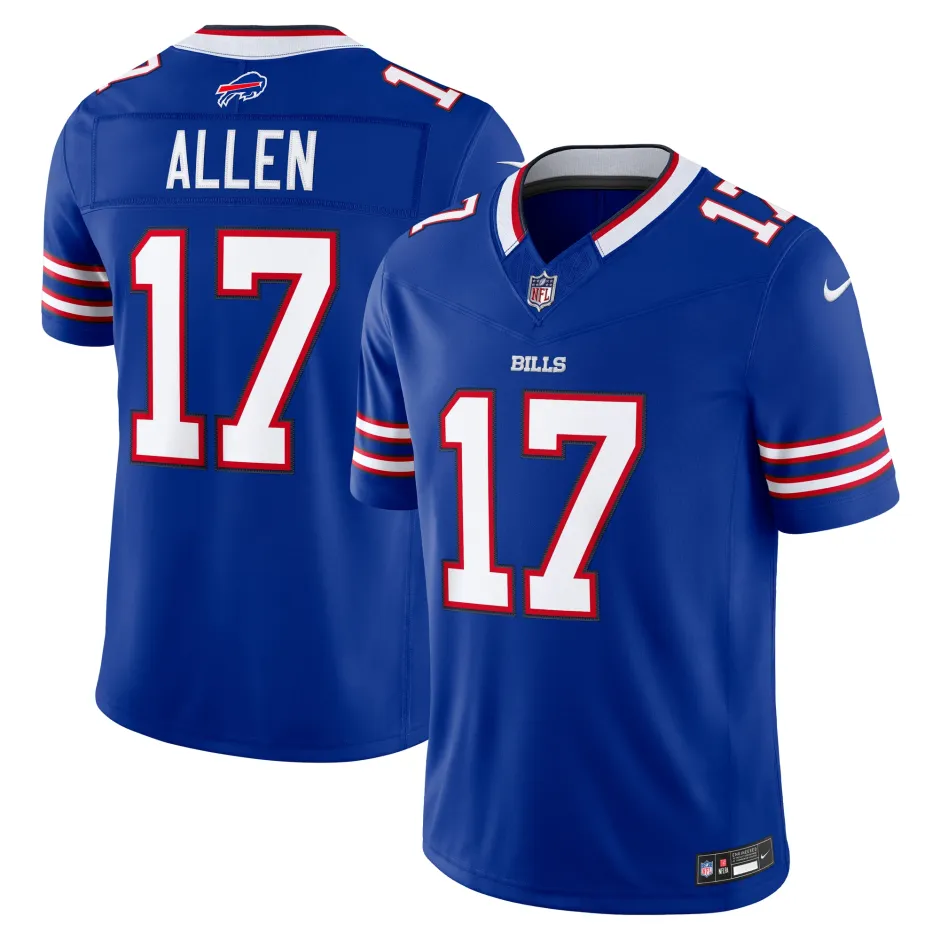
Two fields carry almost all of the personalisation: the name and the number. Everything else — crests, shoulder marks, sleeve detail — belongs to the template, which is why that decision comes first.
| What you can wear | How it reads | Best used for |
|---|---|---|
| Your own surname | The default, and the one that never dates | Everyday wear |
| A nickname | Reads the way your friends actually address you | Gifts, and shirts that get worn hard |
| A single word | CAPTAIN, CHAMPION and similar, up to 12 characters | Anyone who wants the shirt to say something without a family name |
| A historical tribute | The name of a player from an era you followed | Collectors building around a memory |
Number choices are wider than most buyers expect, because 00 through 99 is all live. Birthdays, graduation years and junior-team numbers are all fair game. What matters is that the digits sit on the same build as the letters: a stitched number with a printed name reads like two shirts stitched together, and it is the mismatch buyers notice most often in photographs.
Which custom finish should you pick: stitched, heat-applied or printed?
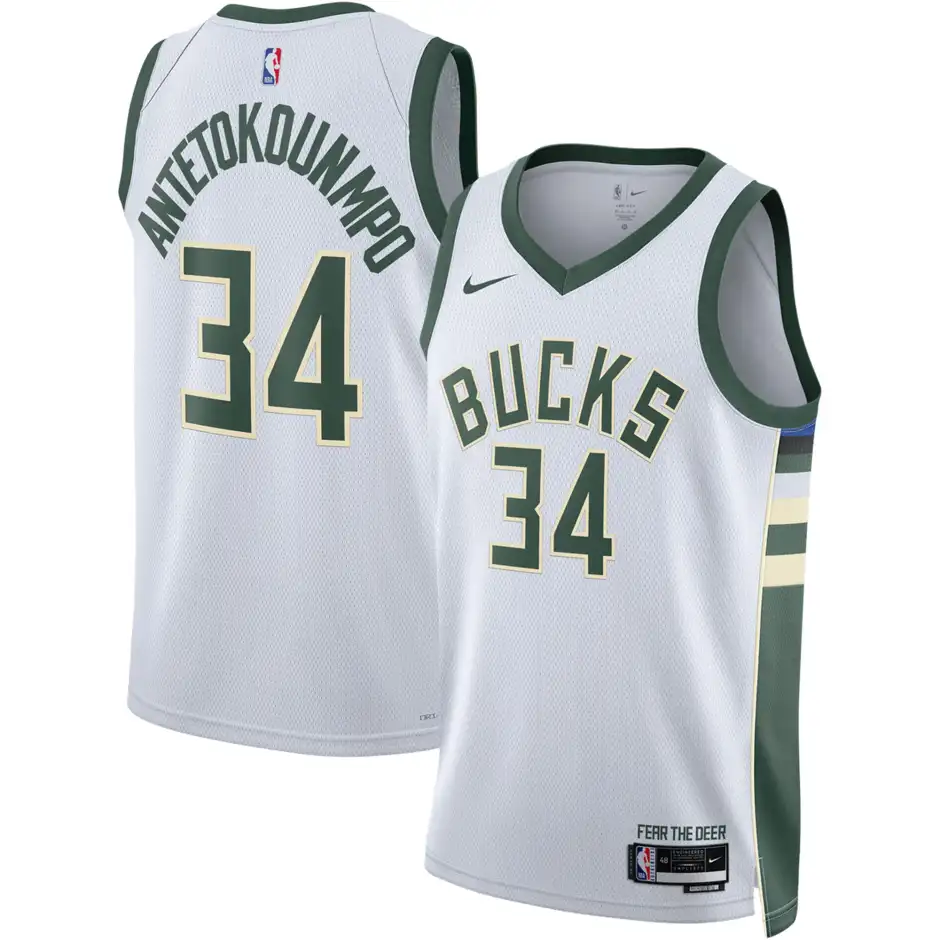
Finish is the decision that changes how the shirt looks after a year. All three builds below carry a name and a number. They age very differently, and the difference shows up at the dryer more than at the checkout.
| Finish | How it is built | How it ages | Pick it when |
|---|---|---|---|
| Multi-layer stitched twill | Letters and numbers cut from layered fabric and sewn down with reinforced thread | Holds shape, edge and letter spacing for years, with visible relief up close | The shirt should still look deliberate in five years |
| Heat-applied lettering | Fabric or film bonded with heat and pressure | Flat, light and comfortable, but the first finish to lift under a hot dryer | You want the lightest shirt and will wash it cold |
| Printed nameset | Printed directly onto the back panel | Cheapest and fastest, and the fastest to dull. Bonds into the fabric | It is a one-season shirt, or you are testing a size |
Match the finish to the template. A printed nameset on a stitched template is the pairing that looks wrong first, because the two finishes catch light differently. The fan version versus replica version guide covers how the underlying builds differ before you add personalisation.
Which jersey should you personalize?
If you have not picked a team yet, the national team side is a good place to look; see the 2026 World Cup kit rankings.
Start from the league you actually watch, then narrow by colourway. A personalised shirt cannot be handed to somebody else, so the template should mean something rather than simply be the cheapest option. Browsing the custom jersey collection shows which templates are already set up for a nameset.
| Template family | What a nameset adds | Where to start |
|---|---|---|
| Pro football | A surname across a wide shoulder yoke — the largest back panel of any league | A stitched build; the cut is drafted to layer over a hoodie |
| College gridiron | The programme sets the palette, your name makes the shirt yours | Any campus template, sized from a shirt the wearer owns |
| Basketball | Short names sit well above a large number on a drop-tail back | An athletic cut, one size up for a loose drape |
| Baseball | A full-width nameplate suits longer surnames better than any other league | Your normal size; the block is already roomy |
| Hockey | Heavyweight sweaters carry sleeve numbers as well, so there is more surface | The numeric size on the tag |
| Soccer | A slim silhouette means shorter names and smaller digits read cleanest | Decide the cut first: roomier supporter version or close performance version |
The pro football hub page is the fastest way to see how a whole league is organised before you settle on one template, and the same structure repeats across the other league hubs.
How long does a custom jersey take to make?
A personalised build takes longer than pulling a shirt off a shelf, and the reason is staging rather than sewing time. Cutting the twill, validating the spelling twice, stitching every layer, placing patches and inspecting seams needs 3 to 5 working days.
| Window | What happens | What it means for you |
|---|---|---|
| Order day | You choose template and size; the confirmation email follows payment | Reply with the name and number straight away — nothing starts until details are confirmed |
| 3 to 5 working days | Twill cut, spelling validated twice, layers stitched, patches placed, seams inspected | Working days, not calendar days |
| After dispatch | The parcel travels with end-to-end postal tracking | Tracking is issued at dispatch, not at order |
| Game-day buffer | Two weeks before a tournament or tailgate | Order inside that buffer and a workshop delay cannot cost you the event |
Two habits remove almost all of the risk: send the details the day the confirmation arrives, and order two weeks out for a fixed date. A personalised build cannot be pulled forward the way a stock item can.
How do you size a jersey you cannot return?
Measure a jersey you already like the fit of, not your own body. Body measurements ignore the room a game shirt is drafted to carry, which is why so many buyers end up with a shirt that photographs like a nightshirt. Lay the shirt flat, measure straight across the chest from one underarm seam to the other, and double it.
| League family | How the garment is drafted | The measurement that matters |
|---|---|---|
| Football (pro and college) | Relaxed and roomy, broad shoulder yokes, extra body length | Chest circumference; your normal size, or one down for a tailored line |
| Basketball | Athletic and tapered, with an extended back drop tail | Chest plus back length; size up for a loose drape |
| Baseball | The roomiest straight block of any league, built around a button-front placket | Chest circumference; between two sizes, go down |
| Hockey | Numeric sizing with a heavier shoulder build | The numeric tag rather than the letter |
| Soccer | Two cuts: a roomier supporter version and a close performance version | Decide the cut first — the same letter is not the same shirt |
| Football template — men's unisex | Numeric tag | Chest | Front length |
|---|---|---|---|
| S | 40 | 38–40 in (96–102 cm) | 29.5 in (75 cm) |
| M | 44 | 41–43 in (104–109 cm) | 30.5 in (77 cm) |
| L | 48 | 44–46 in (112–117 cm) | 31.5 in (80 cm) |
| XL | 52 | 47–49 in (119–124 cm) | 32.5 in (83 cm) |
| 2XL | 56 | 50–52 in (127–132 cm) | 33.5 in (85 cm) |
| 3XL | 60 | 53–55 in (135–140 cm) | 34.5 in (88 cm) |
Youth builds are scaled down across every measurement rather than shortened, so a youth XL sits far closer to an adult small than an adult large. If it is a gift and you cannot measure what the recipient owns, order blank in the safest size and personalise the next one — a fit guarantee covers a stock shirt far better than one that already carries a name.
Custom jersey terms, decoded
Listings for personalised shirts use a small vocabulary that tells you what you are buying before you open the size chart. These are the terms that change the product.
| Term | What it means | Why it matters to you |
|---|---|---|
| Nameset | The combined name and number panel on the back of a shirt | It is the whole product in one word, and it is a separate piece rather than a print |
| Tackle twill | Heavy fabric cut into letters and numbers, then stitched in layers | It creates the raised look and is why a stitched nameset keeps its edge |
| Multi-layer | Each letter built from more than one colour of twill, stacked and sewn | A two-layer number reads heavier and more deliberate than a flat layer |
| Nameplate | The fabric strip carrying the surname, sewn above the number | A stitched nameplate is its own piece; a bonded one lifts first under heat |
| Heat-applied | Lettering bonded with heat instead of thread | Light and flat, and the finish most sensitive to a dryer |
| Sleeve numbers | Digits applied to the sleeves as well as the back | Standard on hockey sweaters; it doubles the surface a nameset covers |
| Drop tail | An extended back hem, standard on basketball builds | Why a basketball nameset stays visible when the shirt is worn loose |
| Blank template | A shirt with no name and no number on it | The version to buy when the size is a guess, because it can still be exchanged |
How do you wash a custom jersey without lifting the nameset?
A personalised shirt is the least replaceable item in a fan wardrobe, because the name on it is yours and nobody else can wear it. Four habits keep a stitched nameset looking new, and all four are about heat and abrasion rather than detergent.
- Turn it inside out first. That keeps the nameset away from the drum and from anything with a zip, which is what actually abrades lettering.
- Cold water, gentle cycle, short spin. Heat lifts a nameset, so wash temperature matters far more than detergent.
- Never a dryer. Hang it in shade on a wide hanger so the shoulders keep their line. This one habit decides whether the nameset lasts five years or one.
- Iron the reverse only, with a cloth between the metal and the shirt. Never press across the lettering.
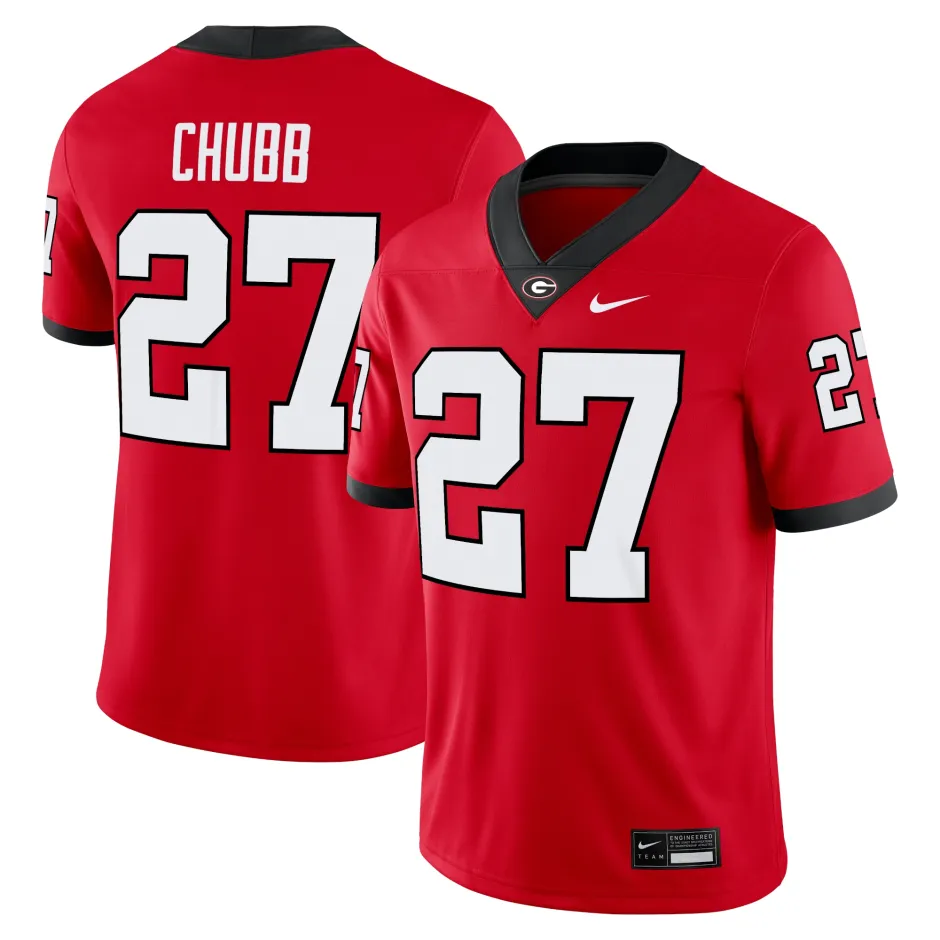
Stitched builds tolerate this routine better than any other finish, because the lettering is held by thread rather than an adhesive layer. Heat-applied and printed namesets need the same handling with less margin for error, which is worth remembering before you choose the finish on a shirt you plan to wear every week.
Frequently asked questions
How do you add a name and number to a jersey?
Choose a custom-eligible template in your size, then send your Order ID, the name you want (up to 12 characters) and the number you want (00 to 99) to jerseyhelp@outlook.com, or reply to your confirmation email. The workshop cuts the multi-layer twill, validates the spelling twice, stitches each layer and ships with tracking.
Can you put any name on a custom jersey?
Any name up to 12 characters, including a surname, a nickname or a single word. Longer names read poorly across the shoulders, so a shorter version of a long surname usually looks better. The number field runs from 00 through 99.
How long does a custom jersey take to arrive?
Allow 3 to 5 working days for cutting, spelling validation, stitching, patch placement and seam inspection, then add transit time. For a fixed date, order at least two weeks ahead, because a personalised build cannot be pulled forward like a stock shirt.
Are custom jerseys more expensive than blank ones?
Builds start at $37.70, and a stitched nameset moves the price up from there depending on the template. A multi-layer stitched nameset costs more than a heat-applied or printed one, and it is the version that still looks deliberate years later. Tracked postage is free over $67 and $7.00 below that.
Can you return a custom jersey if the size is wrong?
A blank template can be exchanged under the 30-day fit guarantee, which carries no restocking fee. A shirt that already carries a stitched name and number cannot be rehomed, so the size has to be settled before you send the personalisation details.
What size should you order in a custom jersey?
Measure a jersey you already like the fit of: lay it flat, measure across the chest from one underarm seam to the other and double it. Match that figure to the garment chest column rather than the letter on the tag. Football runs roomy, basketball is tapered, baseball is the roomiest block of all.
Do custom jerseys come in women's and youth sizes?
Yes. Women's builds are tapered through the waist and shorter in the body, generally about one size below the equivalent unisex letter. Youth builds are scaled down across every measurement, so a youth XL sits closer to an adult small than an adult large.
How do you wash a custom jersey with a stitched nameset?
Turn it inside out, wash cold on a gentle cycle with a short spin, and never use a dryer. Hang it in shade on a wide hanger and, if it needs pressing, iron only the reverse side with a cloth in between. Heat is what lifts a nameset.
The short version
A custom jersey is a team template plus a nameset you choose. Settle the template and the size first, then send your Order ID, a name of up to 12 characters and a number between 00 and 99, and let the workshop spend 3 to 5 working days cutting multi-layer tackle twill and stitching each layer. Buy the stitched build if the shirt should still look deliberate in five years. Buy blank first if the size is a guess. Either way, cold wash and no dryer.