NBA · Buying Guide
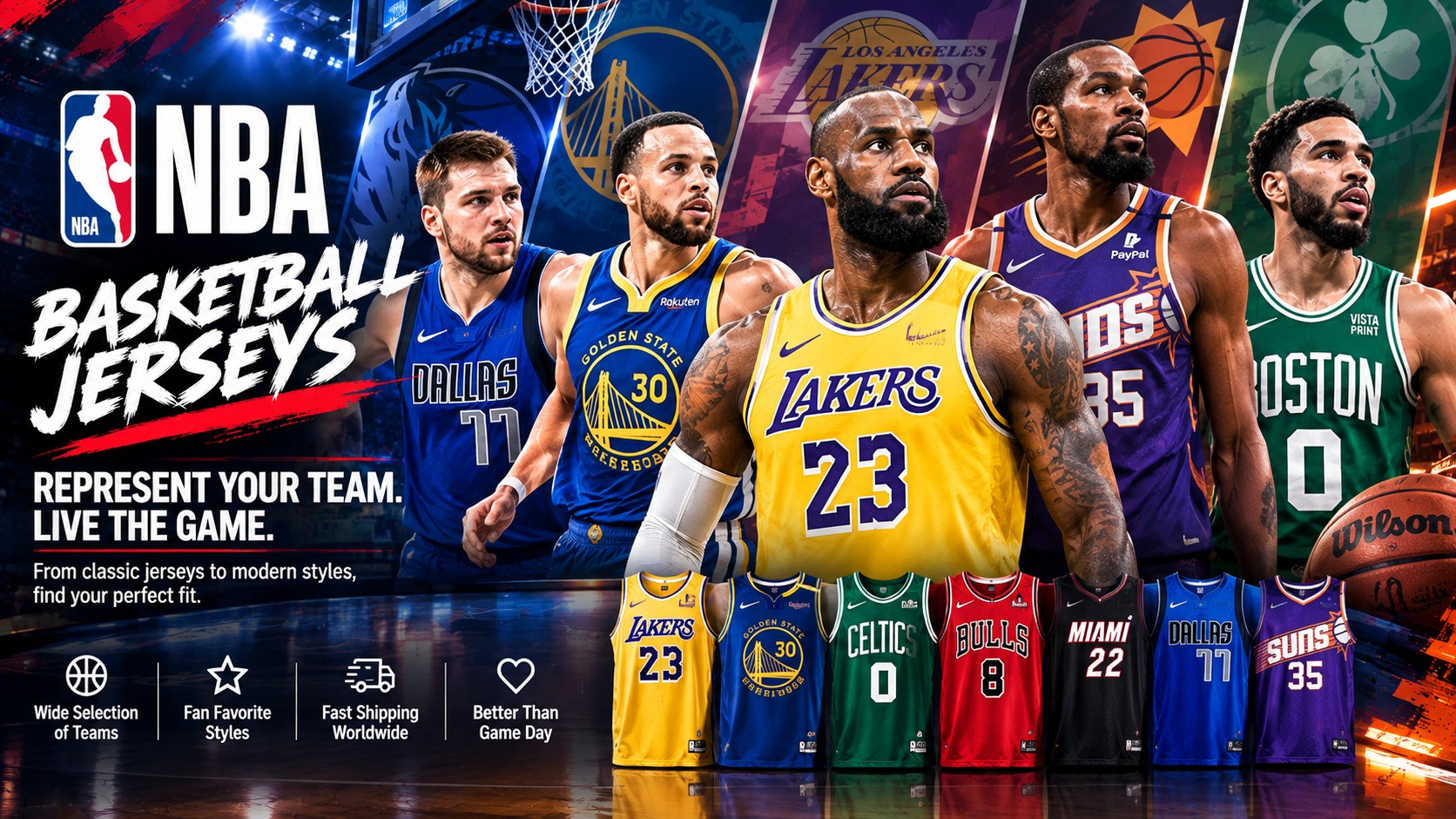
Swingman or Replica? How NBA jerseys actually fit, which colorway to buy first, and how to keep the lettering sharp.
Build
Swingman vs Replica
Fit
Sleeveless, tapered
Sizes
Measure the chest
Start with
Primary colorway
The short answer
For most NBA fans the answer is simple: choose a Swingman if you want the closest match to the on-court look with stitched-style numbers, and a Replica if you want a light, affordable jersey for everyday wear. NBA jerseys are cut sleeveless with a slightly tapered body, so most fans take their normal size or one up for a looser fit.
Everything in one minute
- Swingman = heavier fabric plus stitched-style numbers; Replica = light, printed, affordable.
- Measure your chest, then add 2–4 inches for a standard relaxed basketball fit.
- Broad shoulders? Size up so the armholes sit comfortably.
- Buy the primary home color first; add a City or Statement edition later.
- Cold wash inside out, air dry, and never iron the graphics.
Which NBA Jersey Should You Buy? Fan vs Replica Explained
The fan-versus-replica split is the same question across every league, and the general answer is in how fan version and replica version differ across the whole shop.
NBA fans see two main builds. The Swingman is the mid-tier jersey: heavier fabric, stitched-style numbers and lettering, and a cut that mirrors what you see on the court. The Replica is the entry build: lighter, printed graphics, and designed to be worn anywhere without fuss. Both are legitimate ways to support your team — the choice is about how close you want to get to the on-court look.
| Feature | Swingman | Replica |
|---|---|---|
| Weight | Lighter, all-day comfort | Heavier, structured |
| Numbers & lettering | Printed, smooth | Stitched-style, raised |
| Neckline | Simple ribbed trim | Deeper cut, more detailed trim |
| Fit | Relaxed, easy to layer | Tapered, on-court shape |
| Price | More accessible | Premium |
| Best for | Everyday wear, first jersey | Collectors, courtside |
Fan and Replica builds compared side by side
If it is your first NBA jersey, start with a Replica in your team's primary color — it is the easiest way to learn your size. If you already own one and want a step up, a Swingman gives you noticeably more detail for the money.
How to Choose the Right NBA Jersey Size
If you are shopping across more than one league, the sizing quirks are compared in the NFL buying guide, which runs the same fan and replica split.
Basketball jerseys are cut for movement — sleeveless, with a slightly tapered body and generous shoulder room. That cut behaves differently from a hoodie or a T-shirt, so a little measuring goes a long way.
- Measure your chest. NBA jerseys are sized by chest circumference. Measure the fullest part of your chest with the tape level, then add 2 to 4 inches for a standard relaxed fit.
- Sleeveless changes the look. Because there are no sleeves, the fit lives in the shoulders and chest. If you have broad shoulders, size up so the armholes sit comfortably.
- Size up to layer over a tee. Many fans wear a jersey over a T-shirt. If that is you, go one size up; for a bare-armed fit, stay true to size.
- Check the length. Jerseys run longer than shirts. Taller fans should look for the length measurement next to the chest size.
- Between sizes, go up. A slightly roomy basketball jersey looks natural; a tight one looks like a shirt that shrank.
If you want the short version: measure, do not guess, and check the specific size chart before you order. Our step-by-step guide to nba jersey sizing covers the five checks that prevent almost every return.
- 1Measure your chest — Basketball jerseys are sized by chest circumference. Keep the tape level.
- 2Add 2–4 inches — That is the standard relaxed fit for a sleeveless cut.
- 3Check the shoulders — With no sleeves, the fit lives in the shoulders and chest. Broad shoulders mean size up.
- 4Plan for layering — Wearing a tee underneath? Go one size up. Bare-armed? Stay true to size.
- 5Check the length — Jerseys run longer than shirts. Taller fans should confirm the length.
Printed vs Stitched Numbers and Lettering
On NBA jerseys the finish is the clearest visual difference between the two builds. Printed lettering sits flat, keeps the jersey light, and is the norm on Replica builds. Stitched-style lettering and numbers are raised, catch the light, and give a Swingman its heavier, more premium look.
Both hold up well with proper care. Printed graphics are more vulnerable to hot washes and the dryer, while stitched detailing can snag on velcro or a rough backpack strap. Pick printed for lightness and price, stitched for detail and presence.
Home, Statement, and City Editions: Which to Buy?
NBA teams rotate through several looks, and each gives a jersey a different personality.
- Home / primary color is the classic — the color most fans picture when they think of the team.
- White / association edition is clean and versatile, easy to wear with jeans in any season.
- Statement and City editions are the collector's picks — produced in smaller runs and far more distinctive.
If you are buying one jersey, choose the primary color. Once you own it, a City or Statement edition gives you a completely different look from the same team.
Caring for Your NBA Jersey So It Lasts
Basketball jerseys are worn hard, but they clean up easily with five habits.
- Wash inside out in cold water to protect the lettering and crest from abrasion.
- Skip the dryer. Heat cracks printed graphics and dulls color; hang to air dry.
- Use a gentle cycle and mild detergent — no bleach or fabric softener.
- Never iron the graphics. Steam or iron the reverse side on low if needed.
- Store folded, not hung, so the shoulders keep their shape.
Where to Start Your NBA Jersey Collection
The strongest collections start with one team you actually follow. Pick your team, buy the primary color in a Replica, and add a Statement or City edition later.
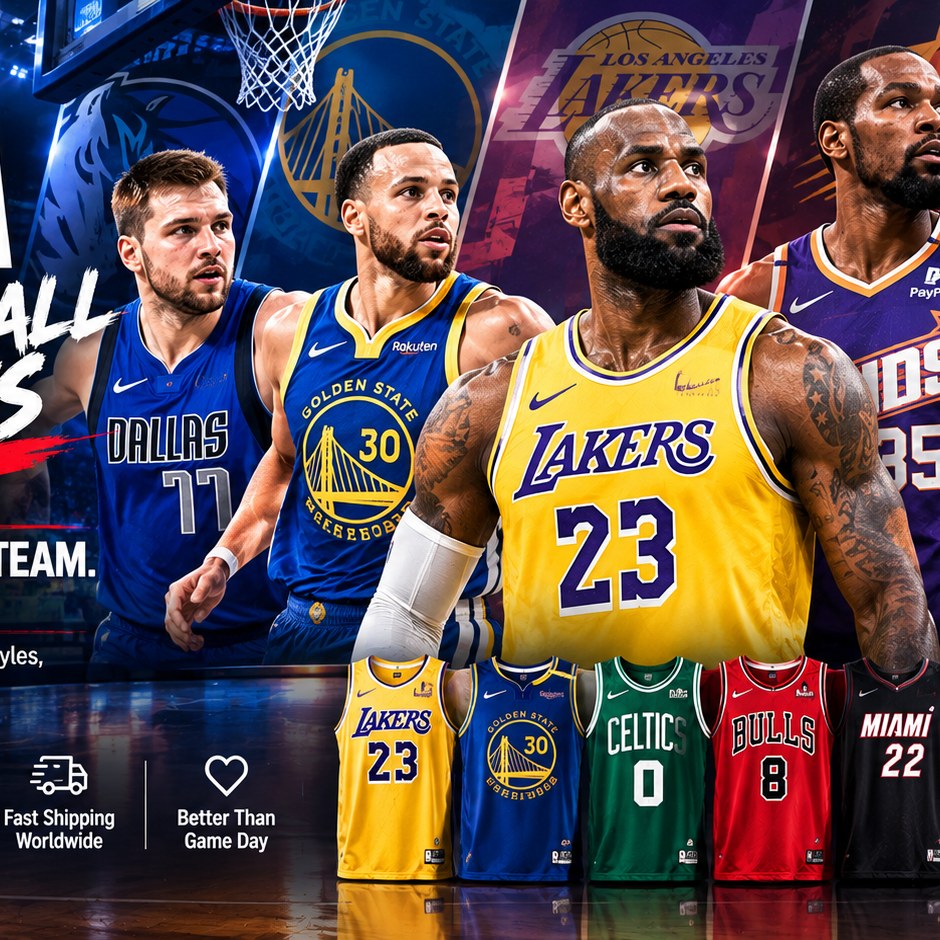
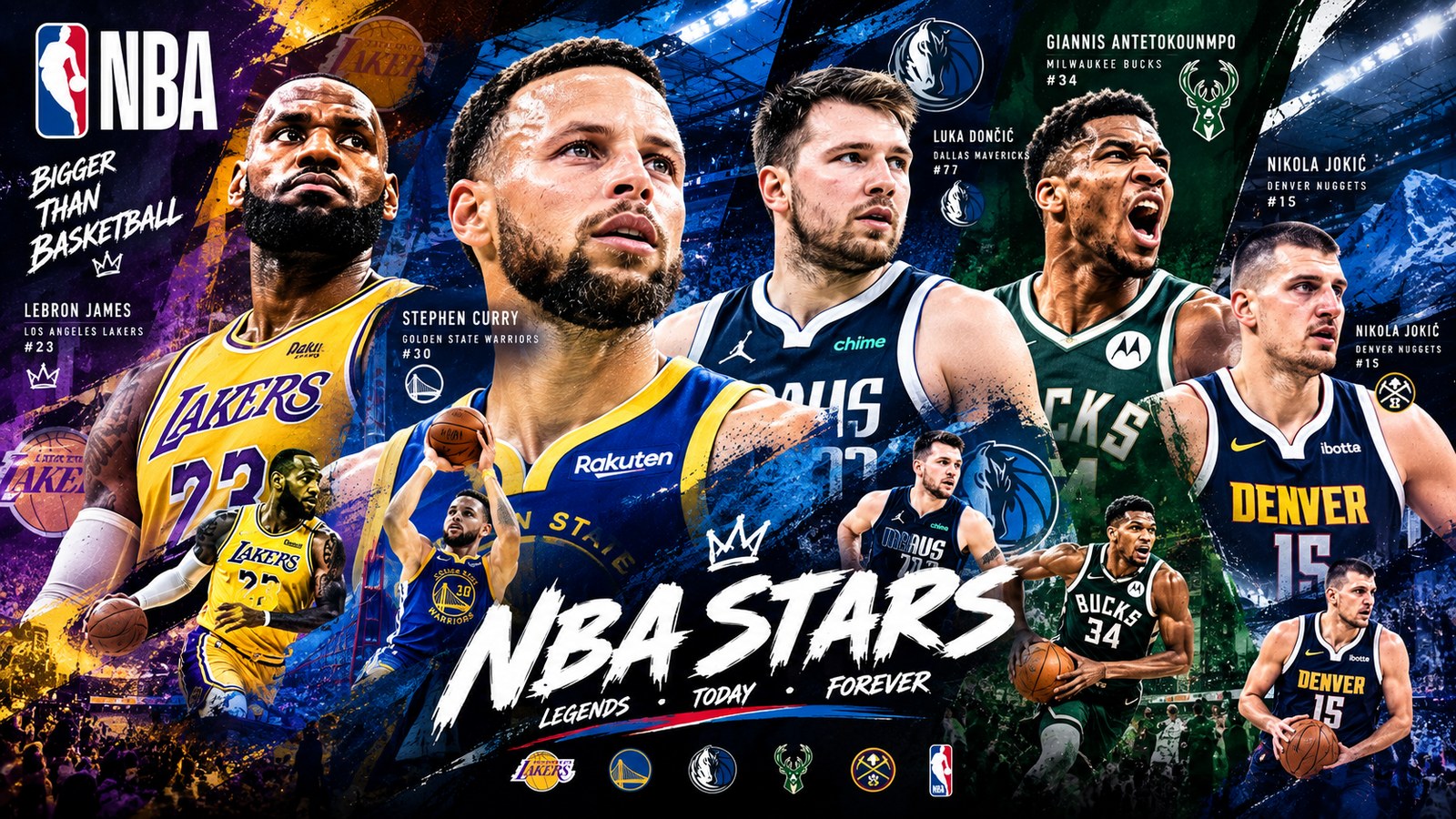
Popular starting points include the Boston Celtics, Los Angeles Lakers, Chicago Bulls, Dallas Mavericks. Browse every NBA team jersey and NBA All-Star jerseys to compare builds, check the size chart and find the colorway that fits your wardrobe.
How Much Should You Spend on a NBA Jersey?
Jersey pricing settles into three rough tiers, and each one suits a different kind of fan. Knowing which tier you are shopping in is what stops you from overpaying for a jersey you wear twice — or underpaying for the one you live in all season.
- Entry tier — the Replica build. Printed graphics, lighter fabric, and the lowest price. This is the right tier for a first jersey, a gift, or a player you like but do not collect.
- Mid tier — the Swingman build. Stitched-style numbers, heavier fabric, and a cut closer to the on-court look. This is the sweet spot for most fans who wear a jersey regularly.
- Collector tier — City and Statement editions. Smaller production runs and far more distinctive designs. Worth it only for a team or player you follow closely.
A simple rule that keeps a collection sane: buy the mid tier for your own team, and the entry tier for everyone else. That way your wardrobe reflects how you actually watch basketball, not how many jerseys looked good on a screen.
How to Style a NBA Jersey for Everyday Wear
A basketball jersey is far more versatile off the court than most fans assume. The trick is to treat it as a layer rather than a full outfit, and to let it be the loudest thing you are wearing.
- Over a plain tee. Wear the jersey over a white or black T-shirt for a relaxed, street-ready look that works in almost any weather.
- With shorts and sneakers. Match the jersey's primary color to your shorts for a coordinated, court-inspired outfit.
- Under an open jacket or overshirt. A jersey worn under an open layer adds texture without looking like you came straight from a game.
- Keep accessories minimal. One chain or one cap is plenty. Two competing graphics fight each other.
The rule of thumb is one statement piece per outfit. Let the jersey be that piece, keep the rest quiet, and the look works from the arena to the street.
Fit and sizing: what the tape measure actually says
The single biggest reason for returns is sizing surprises, so it pays to understand how the two builds differ before you pick a number. Fan and player cuts use completely different blocks, and the gap appears in four measurements. The table below shows how each build behaves on the body, based on how these shirts are cut and how they wear over a season.
| Measurement | Fan cut behaviour | Player cut behaviour |
|---|---|---|
| Chest | Straight, boxy drop with room for a hoodie underneath | Tapered through the ribs and hugs the frame |
| Body length | Falls at the hip, designed to wear untucked | Slightly longer body with a trimmer, cleaner hem |
| Shoulders | Wider seam that drops past the shoulder point | Athletic set-in sleeve with a seam that sits on the bone |
| Between sizes | Size down for a cleaner street fit | Stay true to size; going up erases the taper |
If you are between sizes and buying for layering, the fan cut already leaves the room you need, so resist the urge to size up twice. For quick reference, the chart below shows how the two builds map across the common letter sizes; treat the numbers as close approximations since each production run varies a touch.
| Size | Fan cut chest fit (approx.) | Player cut chest fit (approx.) |
|---|---|---|
| S | 36-38 in | 35-37 in |
| M | 40-42 in | 38-40 in |
| L | 44-46 in | 41-43 in |
| XL | 48-50 in | 44-46 in |
| XXL | 52-54 in | 47-49 in |
The fastest reliable method needs one shirt you already love: lay it flat, measure from one underarm seam straight across to the other, then double the figure and match it to the chart for whichever build you are buying. Five minutes with a tape measure prevents the most common disappointment in this whole category.
Care matters as much as fit. Wash cold, inside out, and hang dry; a hot dryer is what cracks lettering and dulls twill numbers over time. Kids sizing follows the same two-build logic in miniature, and because children grow faster than hemlines change, the straighter fan cut usually buys an extra season of wear before the next size up.
Movement is the final test that tape cannot capture. A shirt that measures perfectly can still pull across the shoulders when you raise both arms, and the player cut, being trimmer, shows this immediately. Lift your arms overhead in the fitting room, or imagine doing so when buying online; if the hem lifts clear of your waistband, go one size up or switch builds. The fan cut forgives this entirely, and that is the very reason it remains the default choice for anyone who actually plays in their shirt rather than watching in it. One extra tip for tall buyers: check body length before chest, because long-torso shoppers are the group most often caught between the two cuts, and length is the one dimension no amount of stretching will fix. A new shirt also relaxes slightly after its first few washes, so a snug first fitting usually settles exactly where you want it within a fortnight of normal wear, something well worth keeping in mind before you send back a perfectly good fit. And if you plan to print a name and number on the back, factor that layer into the fit decision too, because lettering sits slightly stiffer and makes a trimmer cut feel a touch snugger than it did on the hanger.
NBA Jersey FAQ: What Shoppers Ask Most
What is the difference between a Swingman and a Replica NBA jersey?
A Swingman is the heavier mid-tier build with stitched-style numbers and lettering and a cut closer to the on-court look. A Replica is lighter and more affordable, with printed graphics designed for everyday wear. Both are legitimate ways to support your team.
How do NBA jerseys fit — should I size up?
NBA jerseys are cut sleeveless with a slightly tapered body. Most fans take their normal size for a fitted look, or one size up to layer over a T-shirt. If you have broad shoulders, size up so the armholes sit comfortably.
Is a Swingman jersey worth the extra money?
If you wear a basketball jersey regularly, yes. The heavier fabric, raised stitched-style numbers and more detailed neckline trim are a noticeable step up. If you want one jersey for occasional wear, a Replica covers that job well.
How should I wash an NBA jersey?
Turn it inside out, wash cold on a gentle cycle with mild detergent, and air dry. Avoid bleach, fabric softener and the dryer, and never iron the graphics directly — steam or iron the reverse side instead.
Which NBA jersey color should I buy first?
Start with the primary home color — it is the most recognizable and the easiest to wear. Once you own it, a City or Statement edition gives you a completely different look from the same team.
Final Thoughts
Choosing an NBA jersey comes down to build, size and colorway. Match the build to how you will actually wear it, size from the chest measurement, and start with the primary color of a team you follow.
Get those three right and a single jersey turns into a rotation you will wear for years.
Ready to pick your NBA jersey?
Compare builds, check the size chart and find the colorway that fits your wardrobe.
Browse NBA collections